
We start the year with excellent news, the network “Pueblos más Bonitos de España” in Spain will incorporate in 2026 two Galician localities of great heritage value: Oseira and Vilanova dos Infantes.
The brand “Pueblos más Bonitos de España” in Spain is a quality seal recognized nationally and internationally, distinguishing destinations committed to heritage conservation, landscape harmony, and tourism excellence.
The villages in this network meet strict criteria of beauty, authenticity, and accessibility, guaranteeing visitors an unforgettable experience. In this way, Galicia reinforces its commitment to tourism based on identity, landscape, and heritage.
New additions to the network in Ourense
- Oseira (San Cristovo de Cea)
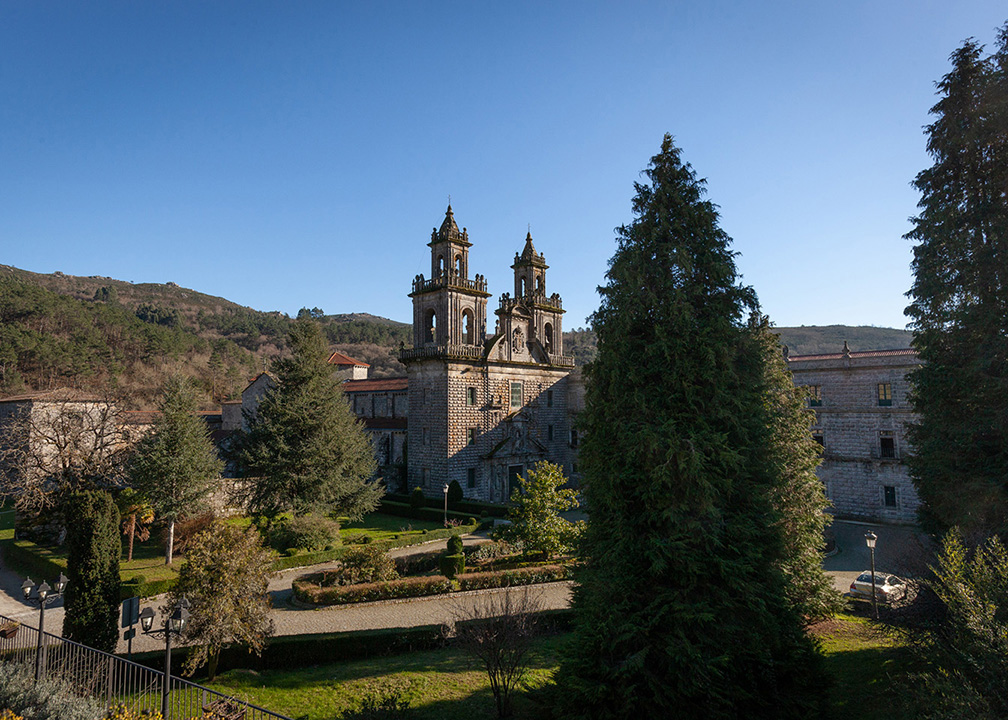
Located in a sheltered valley in the interior of the province, Oseira is a place where history, spirituality, and nature coexist in perfect harmony. Its international renown is linked to the Monastery of Santa María la Real de Oseira, the first Cistercian abbey founded in Galicia in 1137.
Popularly known as the “Galician Escorial”, the monastery impresses with its monumental scale. A majestic Baroque façade gives access to a complex formed by three cloisters of different architectural styles and one of the tallest and most outstanding abbey churches of the Cistercian order in Spain.
The village still preserves the peaceful rhythm of monastic life thanks to the presence of Trappist monks, also known for the artisanal production of the traditional Eucaliptine liqueur. Surrounded by lush forests and crossed by the river of the same name, Oseira invites visitors to disconnect amid silence, the murmur of water, and beautiful natural trails.
- Vilanova dos Infantes (Celanova)
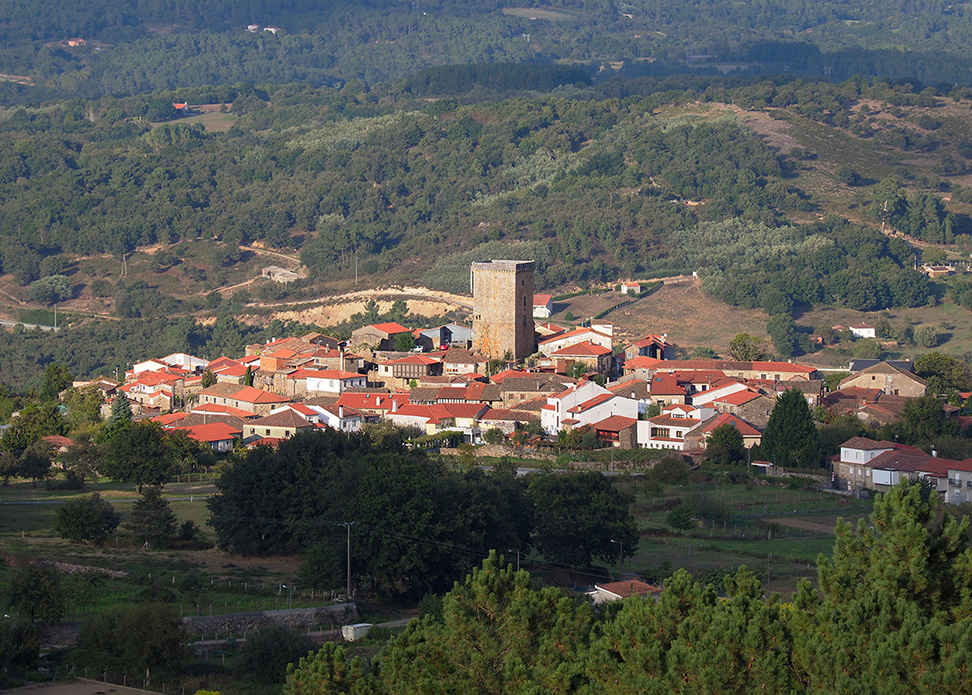
Vilanova dos Infantes is one of Galicia’s best-preserved and most unique medieval ensembles. Its origin is linked to San Rosendo and the Galician nobility, consolidating over centuries as a strategic and residential settlement.
The urban layout follows the terrain, forming a network of cobblestone streets where granite dominates walls, lintels, noble houses, and granaries, creating a sense of unity and authenticity hard to find elsewhere.
The symbol of the village is the Tower of Vilanova, the only remaining part of the former castle destroyed during the Irmandiña revolts. From its heights, it offers panoramic views of the region. At its foot are the parish church and the Sanctuary of the Virgin of the Crystal, which houses a tiny Marian image encased in crystal, surrounded by legends and popular devotion.
Beyond its monumental heritage, Vilanova dos Infantes stands out for its living traditions and its literary connections, having been the setting for works by Curros Enríquez. Its squares, ancient fountains, and underground wine cellars invite visitors to stroll at leisure and discover the essence of a historic Galicia that still thrives in its streets.
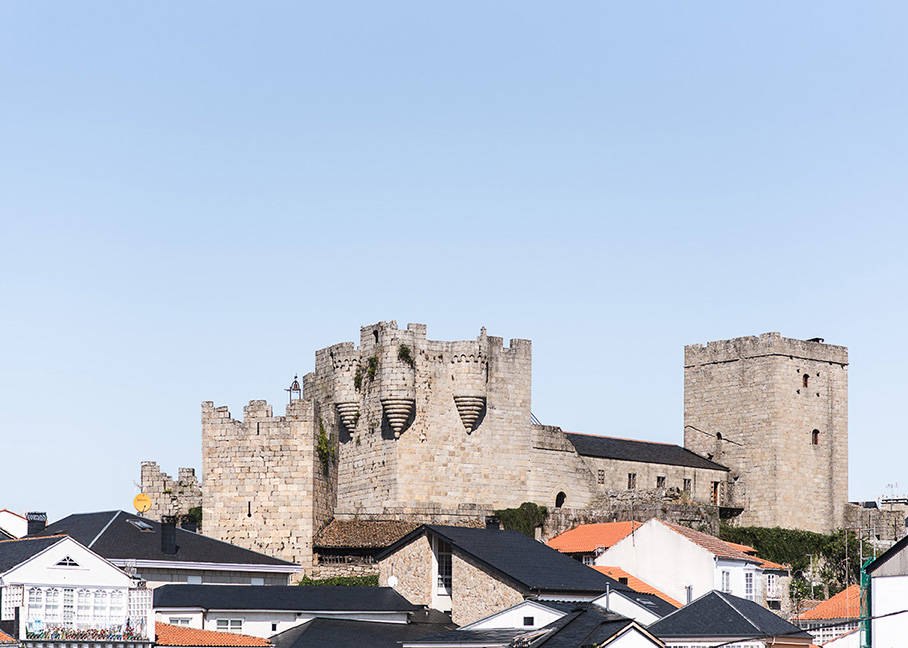
- A well-established reference: Castro Caldelas
Castro Caldelas has been part of the network since 2018 and will retain its distinction through 2026, after successfully passing periodic evaluations that ensure compliance with the required quality standards.
Located in the heart of the Ourense Ribeira Sacra, atop a hill overlooking the Edo River, the village stands out for its white galleries, noble houses, and unmistakable medieval character. Praza do Prado marks the entrance to the historic center, from where narrow cobblestone streets take visitors through centuries of history.
These streets lead to the castle of Castro Caldelas, the village’s most visible emblem. Built in the 14th century, it preserves three square towers, a courtyard with cistern, and an interior walled rampart, along which runs the Camino de Ronda, connecting with the Clock Tower and the former administrator’s house.
The “Pueblos más Bonitos de España” in Ourense await you with heritage, landscapes, and authenticity. An experience you won’t forget. Come and see for yourself!