
Can you imagine strolling along stone streets beside the sea, discovering a small mountain village surrounded by nature or admiring a medieval town crowned by a castle? Galicia is full of places that look as though they have come straight out of a fairytale, where traditional architecture, landscapes and history come together in unique settings.
From the RÃas Baixas to the mountains of Lugo and the landscapes of the Ribeira Sacra, we invite you to discover five particularly charming villages in Galicia. Places to explore at your own pace, enjoy the scenery and discover some of the finest examples of Galician identity.
Combarro: a stone village by the sea
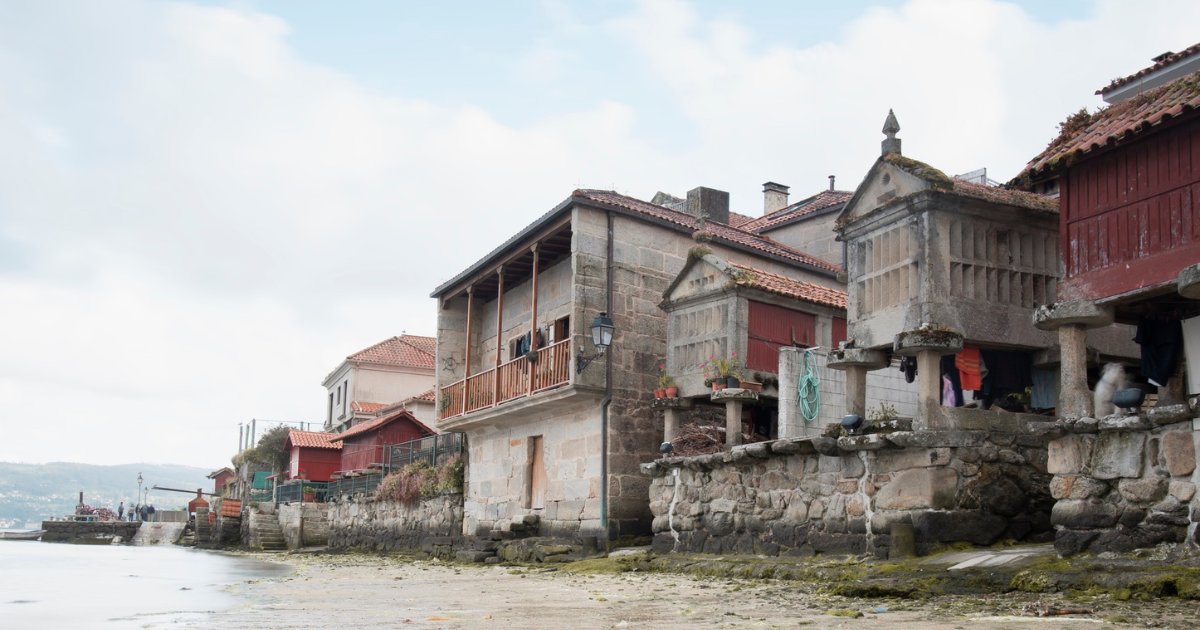
On the RÃa de Pontevedra, Combarro is home to one of Galicia’s most distinctive examples of traditional maritime architecture. Its cobbled streets, traditional houses, stone crosses and arcades lead down towards the sea, while more than thirty stone granaries stand along the coast.
A walk from San Roque Square to Padrón Beach reveals this landscape of stone and sea, while also offering an insight into how these granaries were connected to the everyday life and work of fishing families. It is a corner of the RÃas Baixas that seems frozen in time.
O Cebreiro: a village among mountains and legends
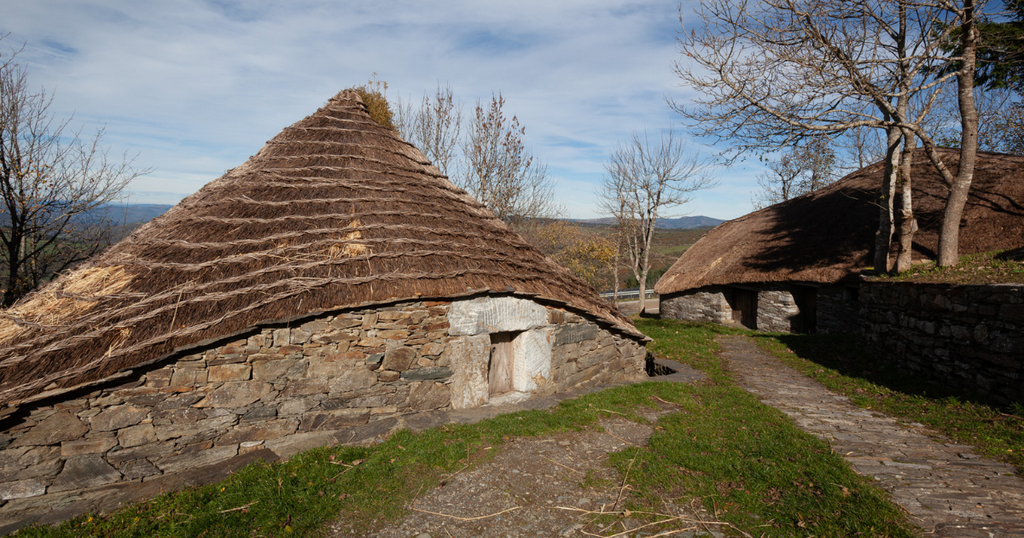
In the mountains of Lugo, O Cebreiro welcomes visitors with its traditional buildings and mountain scenery. Its pallozas, ancient dwellings of pre-Roman origin adapted to the local climate, form one of the most characteristic ensembles along the Way of St James together with the Sanctuary of Santa MarÃa a Real.
Beyond its heritage, O Cebreiro offers an experience closely linked to the French Way. Reaching this small village, particularly when mist envelops the mountains, is a chance to discover one of those Galician landscapes where tradition and nature seem to form part of the same story.
Redes: a small fishing village with a Cuban feel
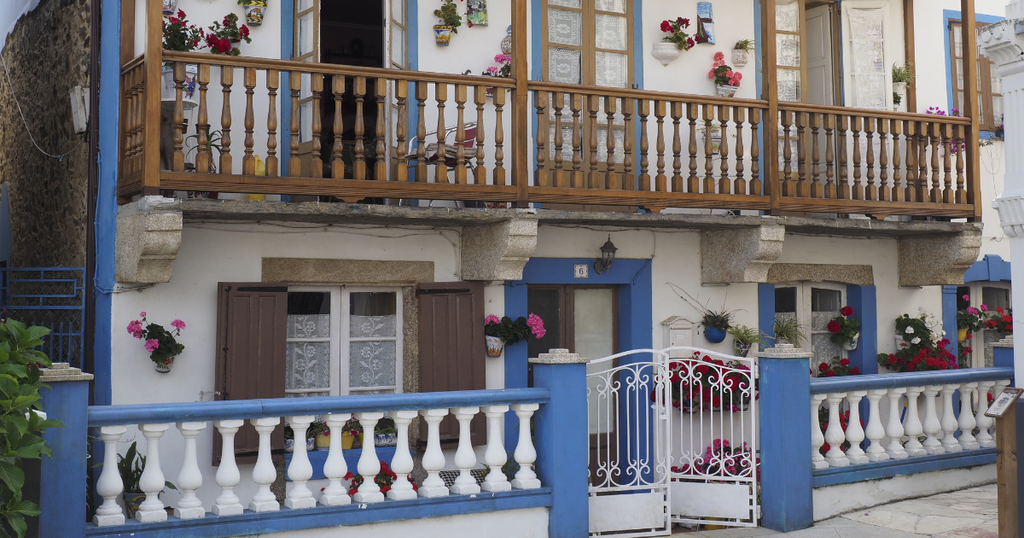
On the shores of the RÃa de Ares, Redes retains the charm of a small fishing village, with colourful houses, quiet streets and a strong connection with the sea. Its architecture also reflects the legacy of Galician emigration to the Americas, particularly Cuba, which can be seen in some of its buildings.
A stroll through Redes reveals a place where the landscape of the estuary blends with traditional architecture and the old ways of life associated with fishing. A small, peaceful village that is perfect for enjoying Galicia at a leisurely pace.
Allariz: history on the banks of the Arnoia
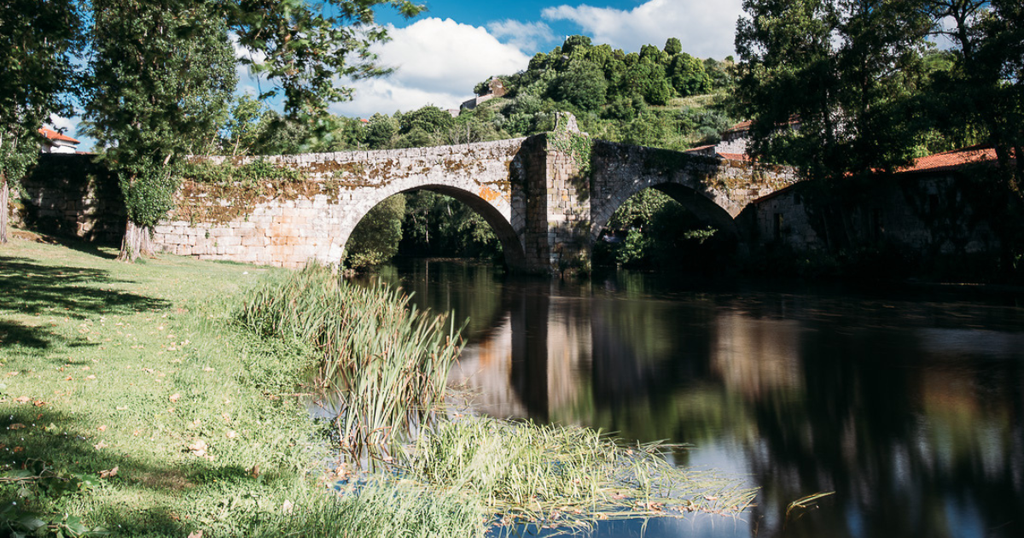
On the banks of the Arnoia River, Allariz combines heritage, nature and tradition. Its historic centre, with cobbled streets and carefully restored stone buildings, invites visitors to explore places such as the Convent of Santa Clara and the sites that form part of the Ethnographic Park of the Arnoia River.
The riverside walk completes the visit and highlights another of the defining features of this town in Ourense: its close relationship between heritage and landscape. Allariz is a destination to explore on foot, discover its history and enjoy a particularly well-preserved setting.
Castro Caldelas: a medieval town around a castle
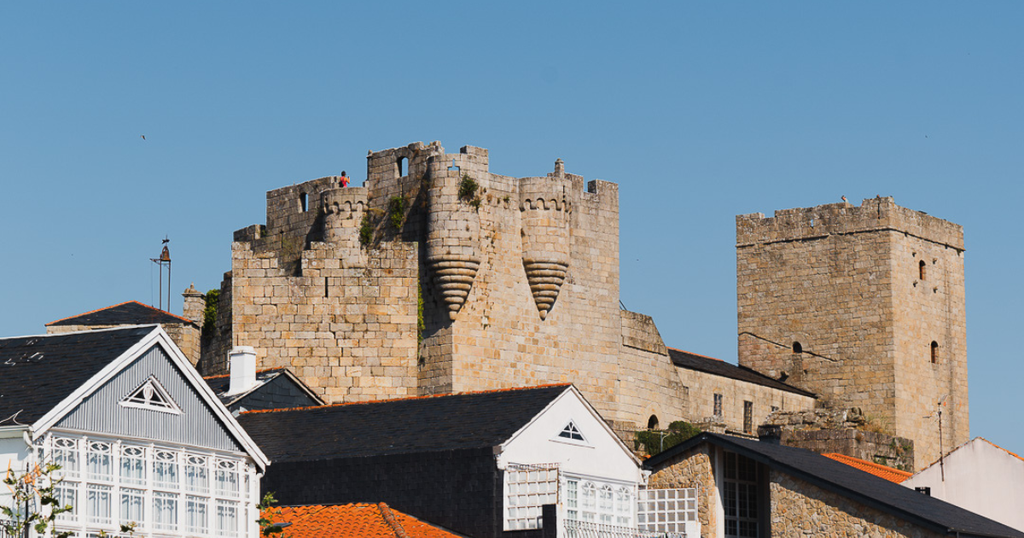
In the heart of the Ribeira Sacra, Castro Caldelas preserves a medieval historic centre with cobbled streets, stone houses, galleries and coats of arms. At the top of the town stands the fortress of the Counts of Lemos, one of its great landmarks and an essential stop on any visit.
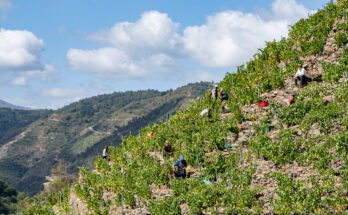
The surrounding Ribeira Sacra landscape completes the experience, with the Sil River, terraced vineyards and other heritage attractions nearby. It is a place where history seems to remain present in every street and where the landscape is an inseparable part of the experience.
Five villages, five ways to discover Galicia
Combarro, O Cebreiro, Redes, Allariz and Castro Caldelas showcase five different sides of Galicia: maritime, mountainous, Indian, riverside and medieval. Five places to wander through at your own pace, discover their stories and enjoy the small corners that make Galicia a destination filled with landscapes that look as though they have come straight out of a fairytale.