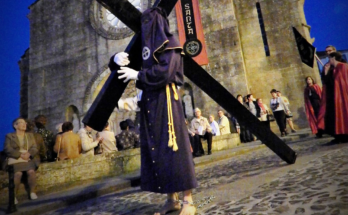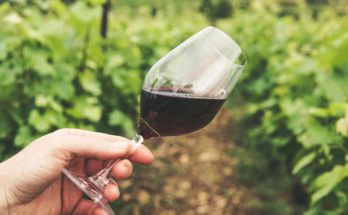

In Galicia, the carnival known as Entroido is celebrated not only with music and costumes but also through food. If fine dining is one of our greatest hallmarks, the carnival is no exception.
Traditional Entroido cuisine revolves around pork. After the November slaughter and several months of curing, the cold cuts reach their peak just in time for the festivities.
It’s the perfect occasion to bring the best products to the table: lacón, androlla, chorizo, pig’s ear, cacheira (or cachucha), botelo… always served with potatoes, grelos, chickpeas, or chicken. Hearty, flavorful dishes made for sharing.
Feasts, cooking demonstrations, music, dancing, parades, and—above all—fun await!
Typical dishes to celebrate the “Entroido”
El cocido gallego
Cocido is one of the great symbols of Galician cuisine, prepared with local ingredients: a true celebration of pork, accompanied by beef, chicken, vegetables, and chickpeas.
In Lalín, in the heart of Galicia, cocido is so highly regarded that it has its own festival: the Festa do Cocido de Lalín, declared a Fiesta of International Tourist Interest, where the arrival of Carnival is also celebrated.
The festival includes a full cultural and gastronomic program, as well as floats, parades, and open-air parties. It’s so popular that past editions have drawn nearly 60,000 people.
Although the main day takes place on the Sunday before Carnival, all of February is considered Mes do Cocido, making it a perfect time to visit Lalín and enjoy this dish.
Lacón con grelos
This dish combines lacón (the front leg of the pig) with grelos (turnip greens and stems). Two noble ingredients of Galician gastronomy that come together at this time of year, usually served with boiled potatoes and chorizo.
In Cuntis, a quaint town famous for its thermal waters and camellias, the Festa do Lacón con Grelos takes place on the Sunday after Carnival. Declared a Fiesta of Tourist Interest of Galicia, it is open to the public with free tastings, cooking workshops, and the joyful energy of carnival parades filling the streets.
The festival ends with “O Enterro do Chapante”, a local twist on the traditional sardine burial, revived after years of being forgotten. The name refers to the “chapantes,” a nickname for the residents of Cuntis, and a nod to their reputation as great diners.
Botelo and Androlla
These typical sausages from the Ourense region are mainly made from pork and stuffed into casings. They are usually served with potatoes, chorizo, and cabbage or grelos.
In the case of botelo, the pig’s stomach is used as a casing, making it the largest sausage. It is also called butelo or bitelo. Its curing is very short, which makes it a perishable delicacy, appreciated because it reaches its peak flavor only for a few days.
Every year, this unique sausage is the star of the Festa do Botelo in O Barco de Valdeorras, declared a Fiesta of Tourist Interest of Galicia. While similar to its relative from León, the botelo from O Barco is not exactly the same; in León, a similar sausage is known as pigureiro.
Androlla, another local sausage, is made from large intestine stuffed with marinated pork ribs. It is smoked for about ten days and cured for a couple of months, reaching its peak flavor with the arrival of Carnival.
On Carnival Sunday, androlla takes center stage at the Entroido de Viana do Bolo, in the Festa da Androlla, also declared a Fiesta of Tourist Interest of Galicia.
Many people gather to taste it and enjoy the festive atmosphere, with the boteiros (emblematic characters) parading through the streets with the carnival troupe. Fun and tradition are guaranteed.
Cabrito
The cabrito is roasted in a wood-fired oven, following a tradition maintained for decades. It is one of the emblematic dishes of Vilariño de Conso, where high-mountain grazing is still a living activity, present only in a few Galician municipalities. This delicacy can be enjoyed during the Festa do Cabrito, one of the main events on Carnival Saturday in Vilariño de Conso.
The Sweet Side of Entroido
For those with a sweet tooth, Entroido is pure temptation. Some of the most popular desserts include:
Filloas
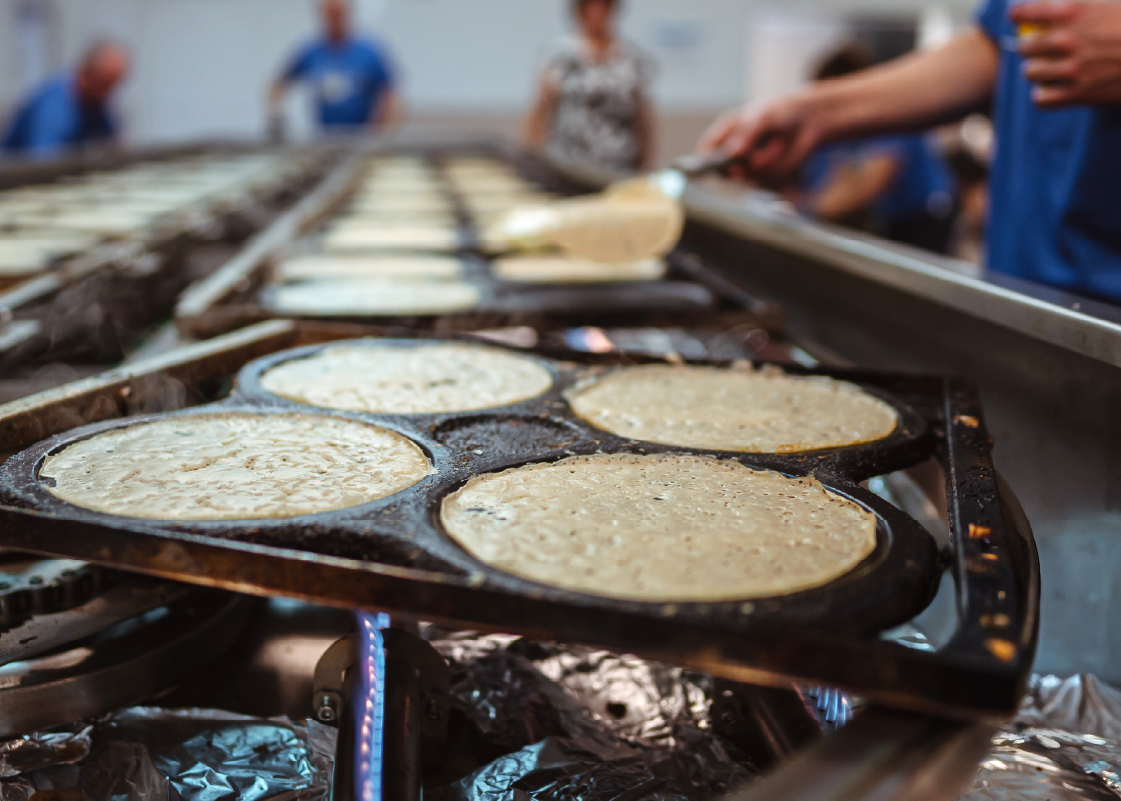
In Lestedo, the Festa da Filloa, a Fiesta of Tourist Interest of Galicia, is held. This dessert, related to French crêpes but much thinner, is served sweet with honey, chocolate, chestnuts, or quince, or savory with lacón, mushrooms, or caldo de cocido.
Amid music and parades, visitors can enjoy filloas á pedra, made on hot stones, and those made by a local machine capable of producing 1,500 per hour! Humor and tradition come together in O atranque dos Xenerais da Ulla, a playful “battle” between two generals who satirize current political and social events on horseback.
Orejas
Fried dough treats with a hint of anise and lemon or orange zest. Crispy and addictive, they are among the most emblematic sweets of Galician Carnival.
Flores
Made from dough similar to filloas, fried in a special mold to form a flower shape. Very popular in the province of Ourense.
Bica
A buttery cake with a sugar-topped crust, typical of Ourense, especially in towns like A Pobra de Trives, Laza, and Verín.
Rosquillas de Anís
Soft and fluffy, with a distinctive anise flavor, they are a classic Entroido treat enjoyed throughout Galicia.
And of course, a good shot of xastré or coffee liqueur is essential. In Galicia, abundance is a matter of courtesy!